One Meal at a Time: How I Introduced Vegan Food to a Small Farming Town
In 2019, I started selling vegan meals out of my parents’ restaurant in Coldwater, Ohio. Coldwater is a small farming town where the idea of a meal without meat and dairy was almost unthinkable. At the time, many people didn’t even know what “vegan” meant (2019 sounds late for that, but this is rural Ohio. We tend to catch on to trends a few years behind). There weren’t any vegan options in the area, and if you wanted to eat out, you’d have to customize a meal and hope it came out right. Needless to say, there was a gap in food choices and knowledge about veganism. I saw that gap not just as an opportunity, but as my responsibility, to promote and educate my community about meal choices that could benefit both the environment and our health. And since I had access to a licensed kitchen through my parents’ restaurant, nothing was stopping me.
My goal wasn’t to convince anyone to go vegan or claim that it’s the healthiest way to eat. I just wanted to give people a chance to try something different — to show that a meal without meat or dairy could still be satisfying and delicious. And maybe, if they later heard about Meatless Mondays or read a study about the benefits of eating more plants, they’d think, “I could do that.”
Getting Started
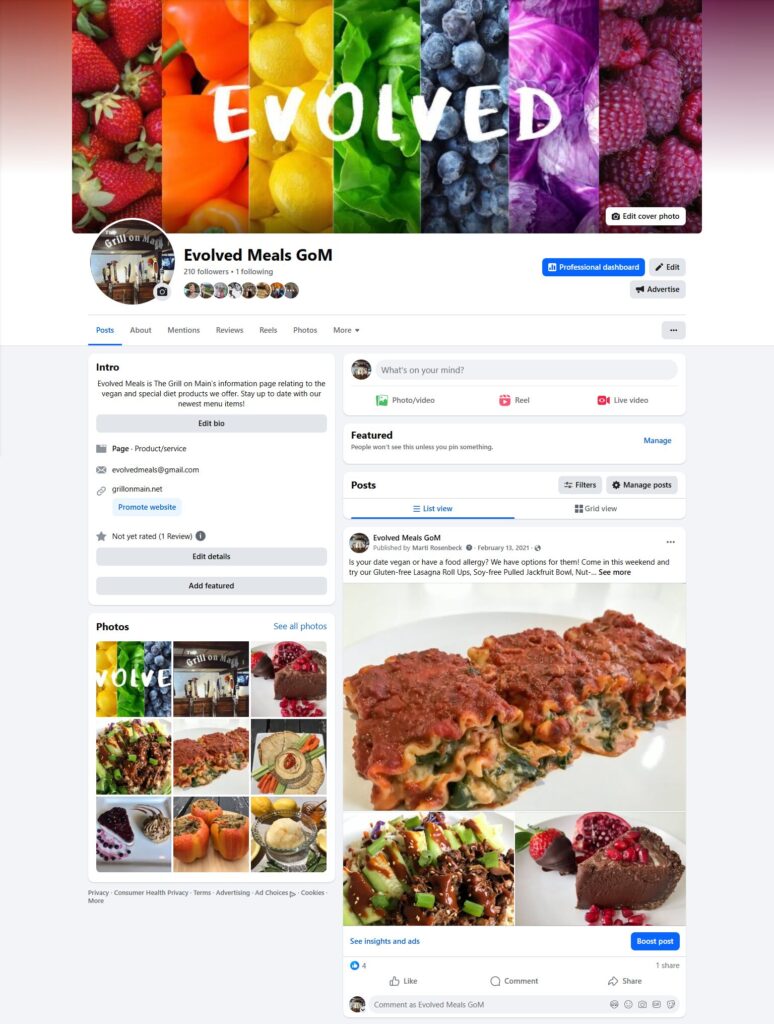
The project began with vegan meals and later expanded to include gluten-free and allergen-friendly options. Menus were designed in Canva and shared on Facebook, with small batches of meals and smoothies ready for walk-ins. Most mornings began early at the restaurant, meal-prepping items before my regular shift started.
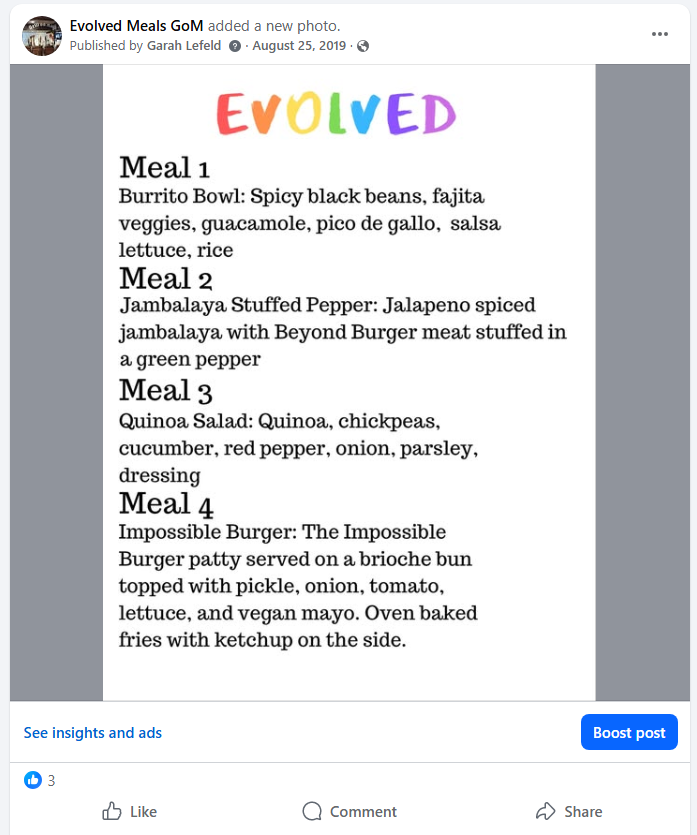
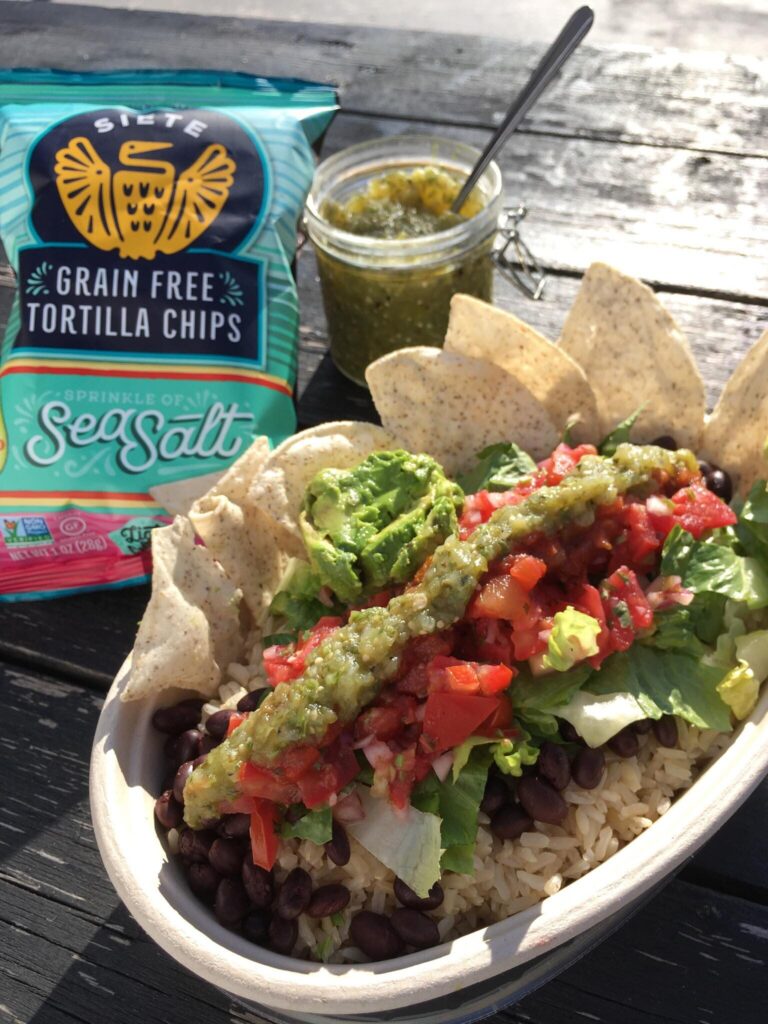
I’d been cooking vegan meals since 2015, so I already had recipes I thought people would enjoy. Anything that didn’t sell, I sold to my parents at cost. The menu changed based on what inspired me or what produce was in season, such as burrito bowls layered with spicy black beans and guacamole, gluten-free lasagna made with hummus ricotta, Korean jackfruit over rice, raw vegan desserts, and colorful smoothies.
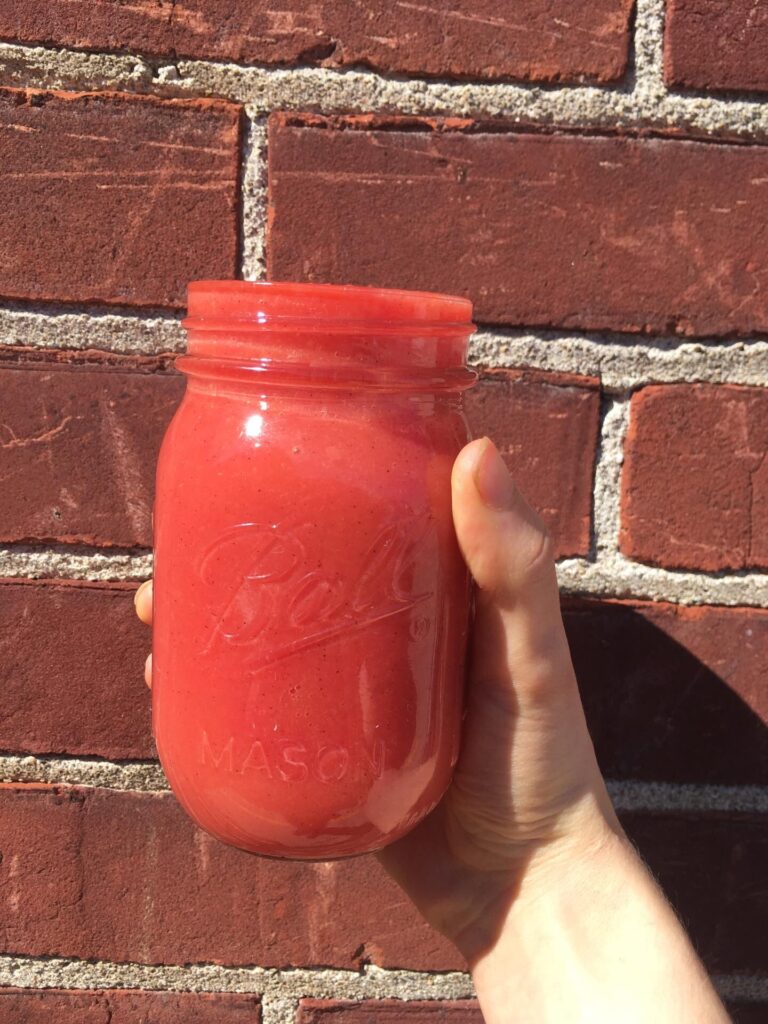
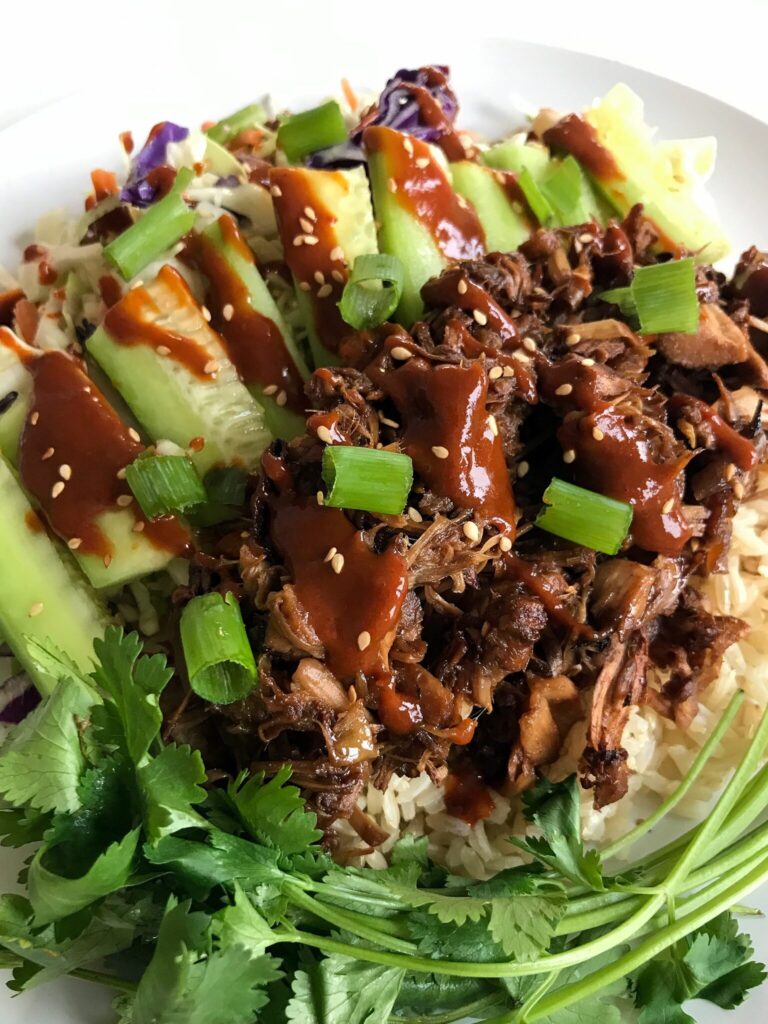
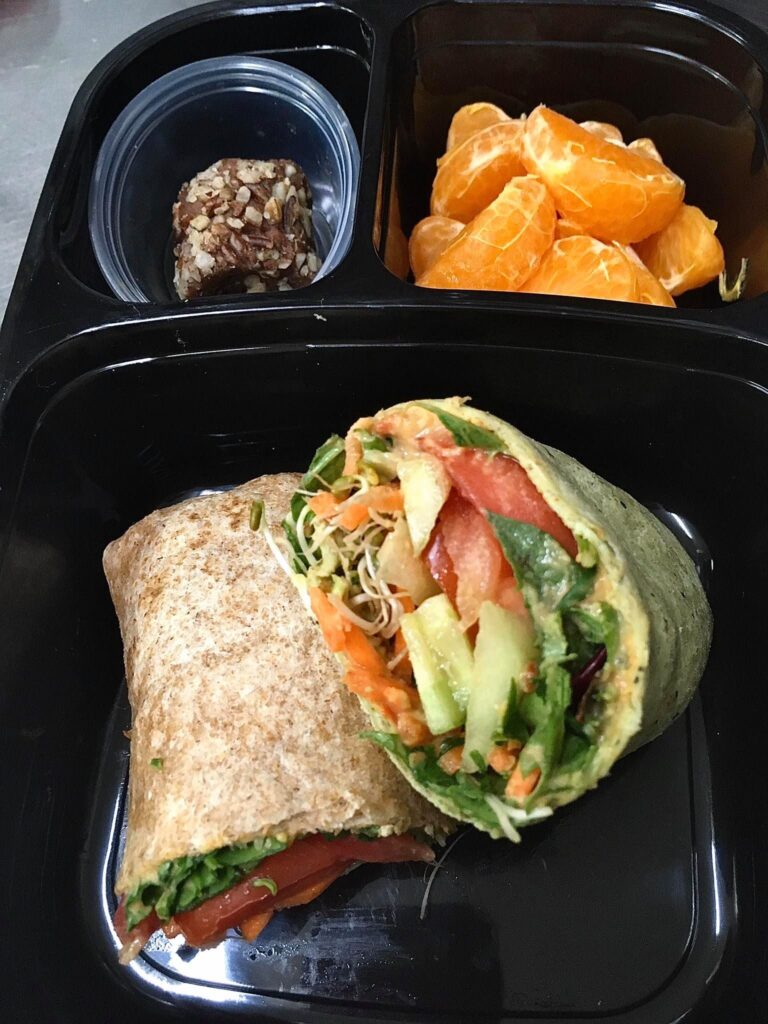
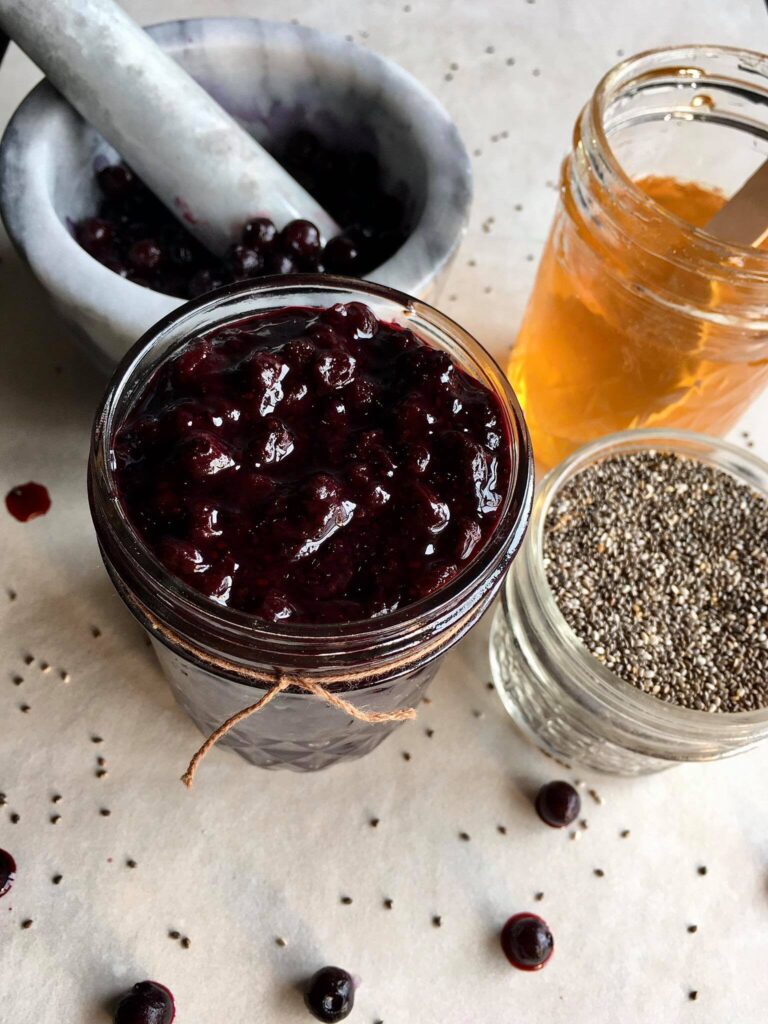
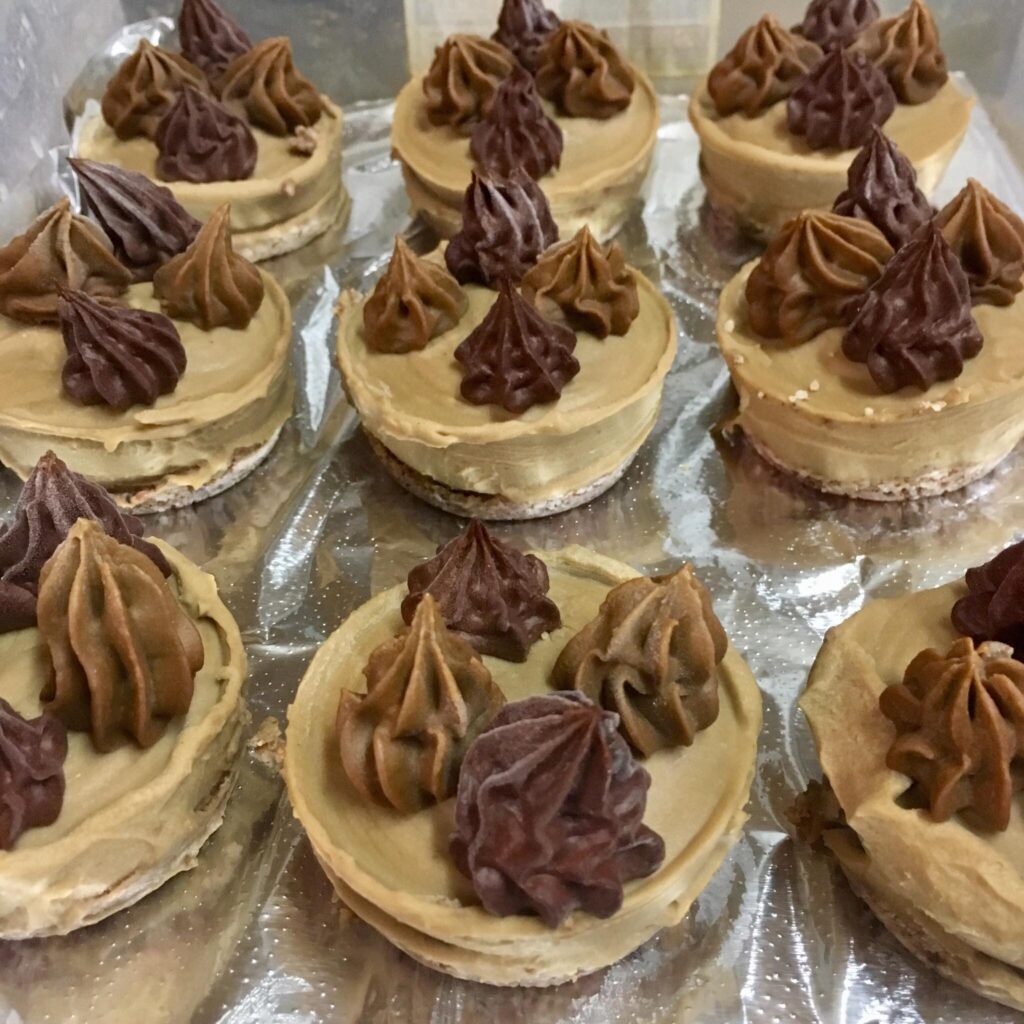
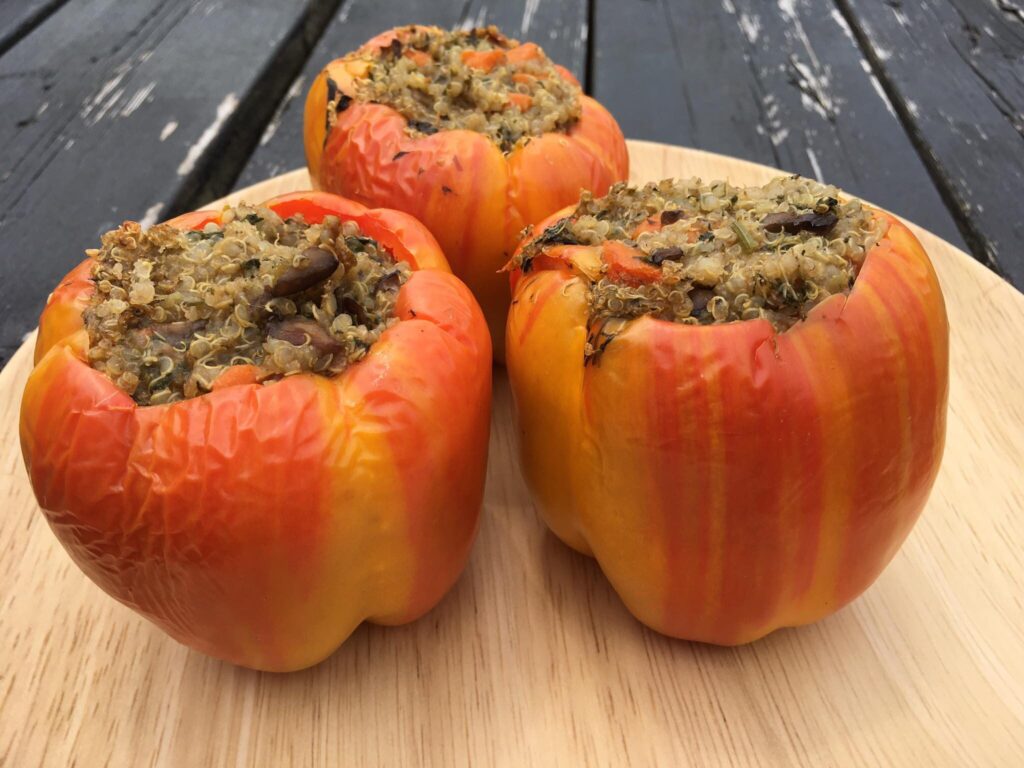
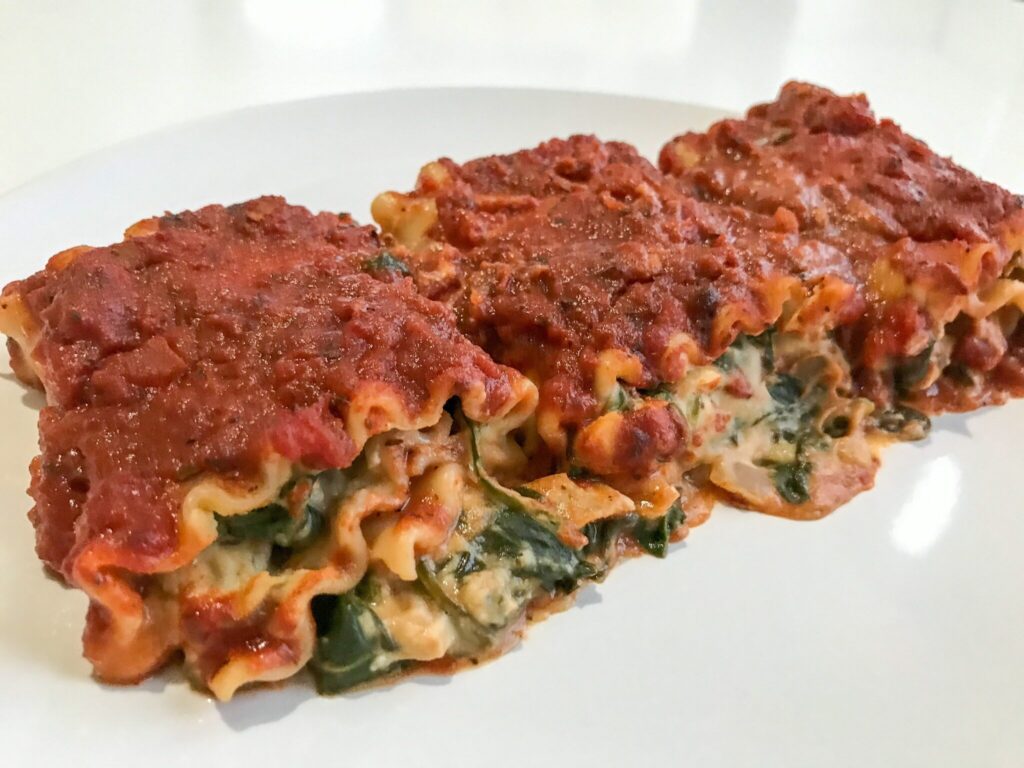
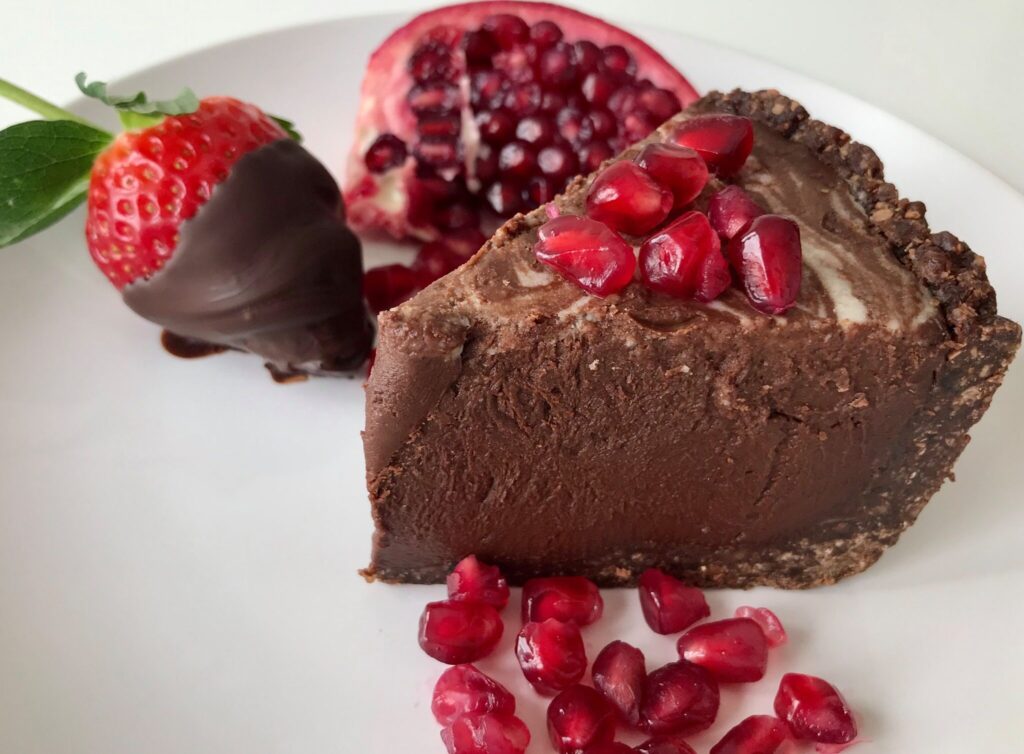
The smoothies became a signature part of what I offered. They were served in mason jars with reusable lids, and customers earned a dollar back when they returned them. I could have used the disposable cups already stocked in the restaurant, but this was about sustainability. I wanted people to think about how every meal we eat has an impact. Plant-based eating already requires fewer resources than animal-based production — using less water, land, and feed — and that same mindset inspired me to reduce disposable waste as well.
It wasn’t a big business — just me, a few curious customers, and a simple goal: to make plant-based eating accessible and use food as a small but powerful way to care for the environment.
Community Reactions
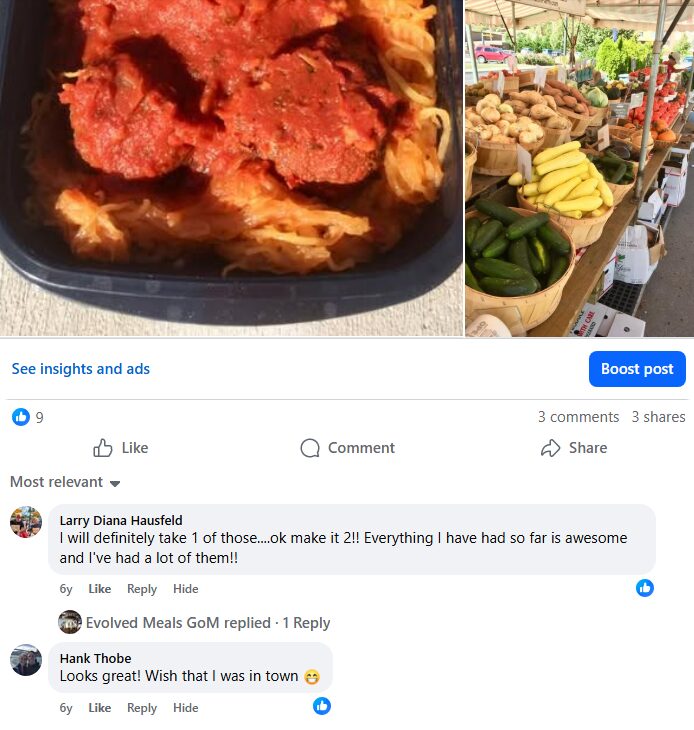
Many people were surprised to see vegan options available in Mercer County. Even if they didn’t order anything for themselves, the reactions were overwhelmingly positive. One of our regulars started ordering a smoothie every time she and her husband came in to eat. Another time, a couple on a date stopped in — the girl was vegan and had expected her only option to be a side salad, but she was thrilled to find my Farmer’s Market Pad Thai instead. There were a couple times when someone would try a refined sugar-free dessert, love it, and buy everything I had left to take home.
People left kind comments on Facebook and shared my posts with friends. It wasn’t much, but it planted small seeds of awareness and started conversations. If my meals made even one person think differently about food — or simply realize that vegan options could taste good — that felt like a win.
Looking Back
This project reminded me that change is most powerful when it happens through community. Food became my way of contributing to something bigger, a simple but meaningful step toward a healthier planet. While individual choices matter, the potential for that impact to grow through community is enormous. It was never about converting anyone to be vegan — it was about small, collective actions that add up. Even choosing a plant-based meal occasionally makes a difference. When enough people make those small choices, the ripple effects reach food production itself. If people pick almond milk instead of dairy, even once in a while, demand shifts. Grocery stores begin to offer more vegan and organic options because consumer habits evolve — and we’ve seen that happen in the last decade.
This project gave me the chance to connect with my community, both in person and on Facebook. Beyond what I learned about community, I discovered how fulfilled I feel when creating – whether it be through food, content, or digital design. Designing menus, taking photos, and sharing updates online were some of my favorite parts. I started and finished this project before attending Arizona State University, but looking back, it’s easy to see why my degree in Graphic Information Technology felt so natural. It combined everything I enjoyed most: creativity, communication, and organization.
Today, I feel most at home at the intersection of technology and creativity. Projects like this one remind me that I’m good at working independently, staying organized, and using digital tools to share ideas that make a difference.